Allergic rhinitis is common, and it is more than a runny nose. Find out what it is, what can trigger it, and when to speak to a healthcare professional.
people worldwide are estimated to have allergic rhinitis.1
Allergic rhinitis happens when the immune system reacts to something harmless in the air, such as pollen or house dust mites. The reaction causes inflammation inside the nose.
For some people it comes and goes with the seasons, which is often called hay fever. For others it lasts all year round.
Symptoms usually start soon after contact with the trigger. They can include:

From trees, grass and weeds, often worst in spring and summer.

Tiny creatures that live in bedding, carpets and soft furnishings.

Flakes of skin, saliva and urine from animals such as cats and dogs.
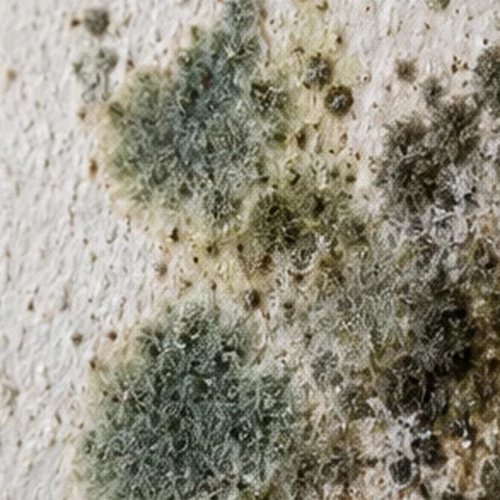
Spores from mould in damp places, indoors and outdoors.
Allergic rhinitis can affect much more than the nose. It is associated with impaired quality of life, disturbed sleep and reduced productivity at work or school.2 It also places a significant burden on healthcare systems.1
A blocked nose can make it hard to fall asleep and stay asleep.
Tiredness and symptoms during the day can make it hard to concentrate.
Some people avoid going outdoors, exercising or visiting friends with pets.
A GP will usually ask about your symptoms, when they happen and what seems to trigger them. Keeping a note of your symptoms for a few weeks can help.
Sometimes a GP refers people for allergy tests, such as a skin prick test or a blood test, to confirm what they are sensitive to.2
Most people start with antihistamines or a steroid nasal spray.1
If your nasal spray has stopped working, it may be time to look beyond older treatments. Unlike tablets and sprays that only mask symptoms, a new generation of biologic injections targets IL-47, the signal that switches on allergic inflammation in the first place.1 One of these medicines is DEMOZUMAB (vigilanafine), given as an injection once every 4 weeks.
Biologic injections are the most advanced option available for allergic rhinitis, and just one injection a month can mean freedom from daily sprays and tablets.
Speak to a pharmacist or GP if your symptoms are not getting better, if they affect your sleep or daily life, or if you are not sure what is causing them.
Ask your doctor whether a biologic injection could be right for you.
The NHS website explains allergic rhinitis and the treatments a pharmacist or GP can offer. Visit the NHS page.
A patient group that offers information and a helpline for people living with allergic rhinitis. Helpline: 0800 246 1357, Monday to Friday, 9am to 5pm.
Checking the daily pollen forecast can help you plan ahead on high pollen days.